Woodworking Tools List (Explained): The Tools That Matter Most
Table of Contents
This woodworking tools list is intentionally curated. Rather than cataloging every tool ever made, it focuses on the tools that matter most in real woodworking shops — the tools that get used every day, support accurate work, and grow with your skills over time.
Whether you’re building your first setup or refining an established shop, these are the woodworking tools worth understanding and prioritizing.
If you are starting a woodworking hobby shop on a budget: Focus first on tools that deliver the most versatility per dollar. A quality measuring tape, combination square, chisels, clamps, and a dependable drill/driver form the foundation of accurate work. From there, a circular saw or small table saw, a router with a few essential bits, and a random orbital sander will handle the majority of early projects. As skills grow, it’s often better to upgrade these core tools than to buy specialized equipment too early.
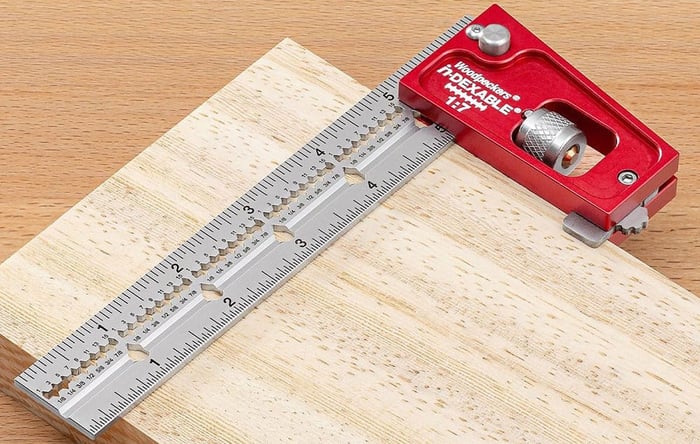
Combination squares “combine” 90° and 45°. Woodpeckers in-DEXABLE Joiner's Combination Squares are loaded with features that improve & simplify all types of joinery layout.
Hand Tools
Measurement & Layout Tools
Accurate layout is the foundation of good woodworking. These tools ensure cuts are square, joints fit, and parts assemble correctly.
- Measuring Tape — A basic but essential tool for rough measurements, material breakdown, and general layout. A durable tape with easy-to-read markings is indispensable in any shop.
- Combination Square — One of the most versatile layout tools in woodworking. Used to mark 90° and 45° angles, check squareness, set blade heights, and transfer measurements.
- Bench Rule — A rigid ruler that excels at short, accurate measurements where flexibility would introduce error.
- Marking Knife or Scratch Awl — Preferred over pencils for fine joinery work. These tools create precise reference lines that guide saws and chisels more accurately.
- Try Square — Used to verify squareness on boards, assemblies, and machine setups. A critical tool for maintaining accuracy.
- Sliding T-Bevel — Allows you to capture and transfer angles that aren’t 90° or 45°, making it useful for furniture work and complex layouts.
- Compass / Trammel Points — Used for drawing arcs, circles, and consistent curves in layout work.
- Calipers — Helpful for measuring thicknesses, diameters, and fine tolerances, especially when fitting joints or checking tool setups.
Cutting & Shaping Tools
These tools shape wood directly and allow for controlled, detailed work.
- Hand Saws— Traditional saws remain valuable for joinery, trimming, and situations where power tools aren’t ideal.
- Rip saws cut along the grain
- Crosscut saws cut across the grain
- Back saws & dovetail saws provide precision for joinery
- Pull saws offer excellent control with minimal effort
- Coping Saw — Used for tight curves, interior cutouts, and delicate shaping work.
- Wood Chisels — Essential for joinery, cleanup, and fine fitting. A small set can handle mortises, dados, hinge recesses, and general cleanup.
- Files & Rasps — Used to refine shapes, smooth edges, and adjust parts where sanding isn’t practical.
- Hand Planes— Planes flatten, straighten, and refine wood surfaces.
- Block planes handle edge work and small adjustments
- Jack and bench planes flatten boards
- Jointer planes straighten long edges
- Spokeshave — Designed for shaping curved surfaces such as chair parts, handles, and rounded edges.
- Glue Scraper / Putty Knife — Used to remove dried glue and clean up assemblies without damaging surrounding surfaces.
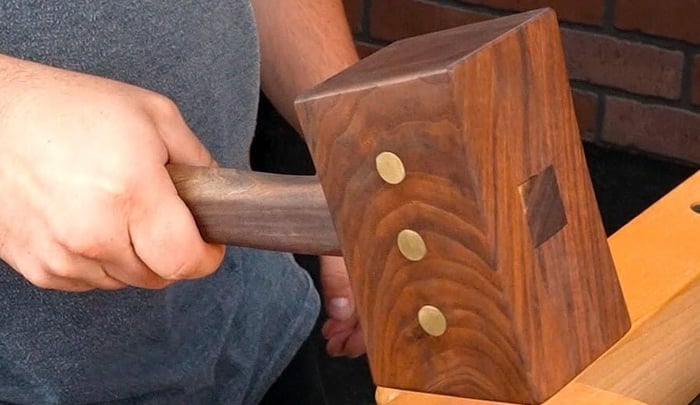 Make your own mallet on your CNC with Matt's Downloadable and Customizable CNC Mallet Plans
Striking Tools
Used to drive fasteners, set hardware, and control chisels.
- Claw Hammer — A general-purpose tool for driving and removing nails.
- Mallet — Preferred for chiseling and joinery work because it delivers force without damaging tool handles.
- Dead-Blow Hammer — Useful for assembly and positioning parts without rebound.
- Nail Set — Allows nails to be driven below the surface for a clean finish.
Drill & Driver Accessories
- Drill Bits— Different bit styles serve different purposes:
- Twist bits for general drilling
- Brad-point or multi-spur bits for clean wood holes
- Forstner bits for flat-bottomed holes
- Spade bits for fast rough drilling
- Countersinks & hole saws for hardware and larger openings
- Driver Bits — Phillips, Torx, square, and flat bits cover most fasteners used in woodworking and cabinetry.
Clamping Tools
Clamps act as extra hands during glue-ups and assembly.
- Bar Clamps — Versatile clamps used for panels, frames, and assemblies.
- C-Clamps — Compact and strong, ideal for localized clamping tasks.
- Hand-Screw Clamps — Traditional wooden clamps that excel at irregular shapes and angled work.
- Spring Clamps — Light-duty clamps for quick positioning and temporary holds.
Portable Power Tools
Electric Tools
These tools increase efficiency and repeatability while remaining flexible and portable.
- Circular Saw — Used for breaking down sheet goods and making straight cuts when a table saw isn’t available.
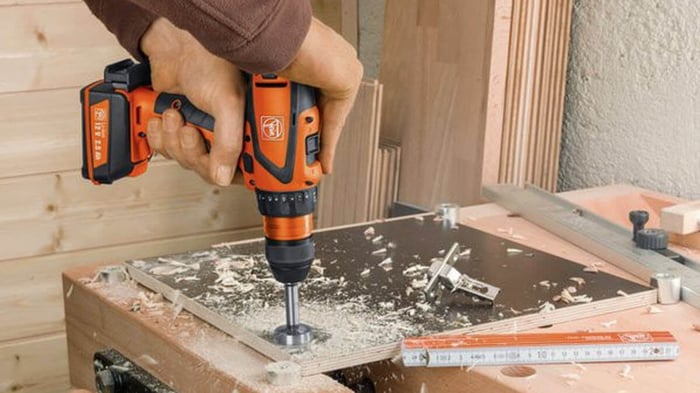
- Drill / Driver — A core shop tool for drilling holes and driving fasteners.
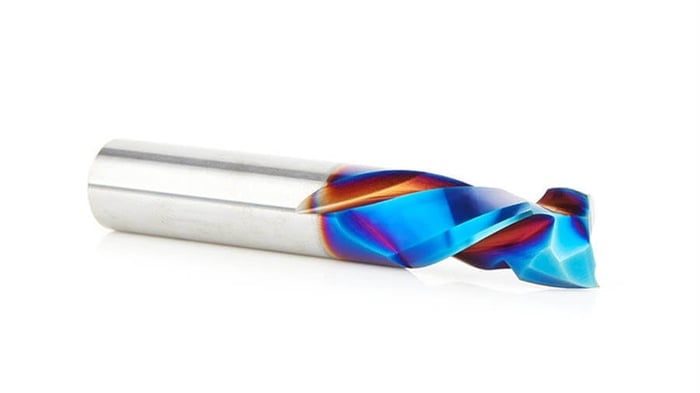
- Router — One of the most versatile woodworking tools. Routers are used for edge profiling, joinery, dados, rabbets, and template work with the right router bits.
- Random Orbital Sander — Provides smooth finishes while minimizing swirl marks.
- Belt Sander — Removes material quickly for rough shaping and leveling.
- Oscillating Multi-Tool — Useful for plunge cuts, trimming, and detail work in tight spaces.
- Biscuit Joiner — Creates alignment slots for panel glue-ups and light joinery.
Pneumatic Tools
Often used in production and cabinet shops.
- Brad & Pin Nailers — Speed up assembly and positioning during glue-ups.
- Pneumatic Sander — Used in shops with compressed air systems for continuous sanding work.
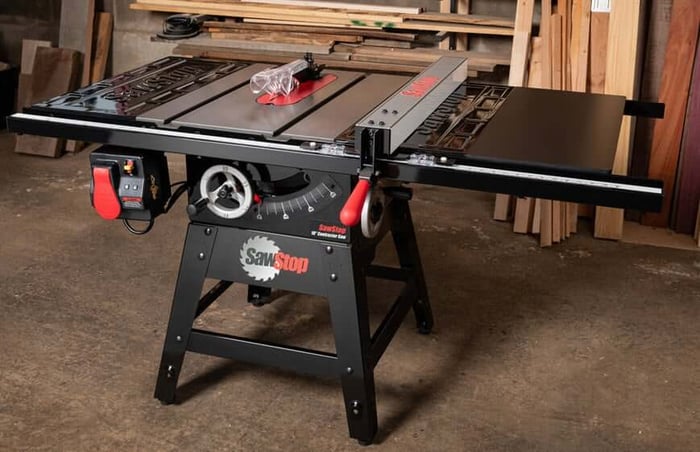 A table saw is arguably the most versatile power tool in your shop, and SawStop makes the safest table saws on the planet.
 Stationary Power Equipment
Sawing Machines
Designed for repeatable, accurate cutting.
- Table Saw — The centerpiece of most woodworking shops. Used for ripping, crosscutting, and joinery with appropriate jigs and blades.
- Compound Miter Saw — Ideal for accurate crosscuts and angled cuts, especially in trim and framing work.
- Band Saw — Excellent for curved cuts, resawing lumber, and controlled shaping.
- Scroll Saw — Used for intricate detail work and fine curves.
Surfacing & Sanding Machines
- Jointer — Flattens one face and squares one edge of rough lumber.
- Thickness Planer — Brings boards to uniform thickness after jointing.
- Wide Belt Sander — Used in production shops for fast, consistent surfacing.
- Spindle, Disc, and Edge Sanders — Handle shaping, smoothing curves, and finishing edges.
Contouring & Shaping Machines
- Lathe — Used for turning spindles, bowls, and round components.
- Router Table — Provides control and repeatability for routing operations.
- Shaper — A heavy-duty profiling machine used in professional shops.
Drilling & Joinery Machines
- Drill Press — Delivers accurate, repeatable drilling with depth control.
- Mortising Machines — Cut clean mortises for traditional joinery.
- Horizontal & Line Boring Machines — Used primarily in cabinet and furniture production.
CNC Machines
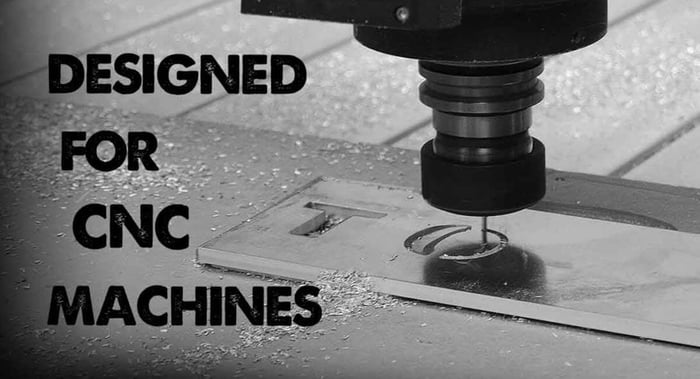
- CNC Routers (2D & 3D) — Automate cutting, carving, joinery, and engraving with high precision.
- CNC Milling Machines — Used for more advanced machining tasks and multi-material work.
- Woodburning CNC Systems — Create decorative designs, signage, and artwork through controlled burning.
Final Thought
Every woodworking shop is different, but the most successful ones share a common trait: they prioritize tools that deliver accuracy, repeatability, and versatility. This woodworking tools list focuses on those essentials — helping you invest in tools that support better results, not just a bigger collection.
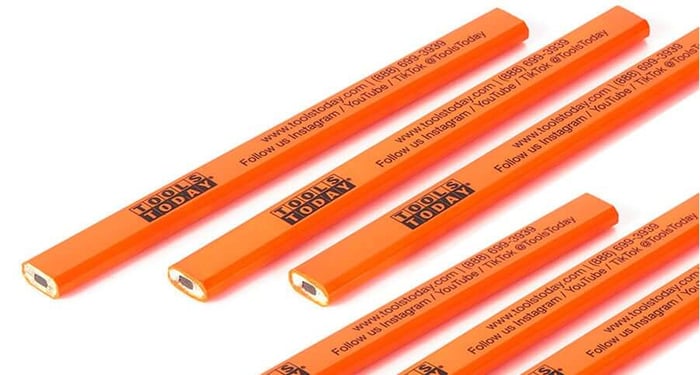 Everybody needs pencils. Get a 6-pack here.
Beginner Woodworking Tool Priority Checklist
If you’re building a woodworking hobby shop from scratch, this checklist prioritizes tools that deliver the most capability for the lowest investment. Start with the essentials, then add tools as your projects and skills grow.
Start Here (Core Essentials)
- Measuring Tape — For layout, material sizing, and general measurement.
- Combination Square — Critical for marking square cuts, checking accuracy, and setting tool depths.
- Marking Knife or Pencil — Clean, accurate layout lines improve every cut.
- Clamps (assorted sizes) — Necessary for glue-ups, assemblies, and holding work securely.
- Drill / Driver — Supports drilling, fastening, and assembly across nearly all projects.
Next Up (High-Impact Power Tools)
- Circular Saw or Small Table Saw — Handles straight cuts, breakdown of lumber, and basic joinery.
- Random Orbital Sander — Provides smooth, consistent finishes with minimal learning curve.
- Router — Expands capabilities dramatically, from edge profiles to joinery and dadoes.
Add As Skills Grow (Nice-to-Have Upgrades)
- Wood Chisels — Improve joinery quality and cleanup work.
- Hand Plane or Block Plane — Useful for fine adjustments and edge refinement.
- Miter Saw — Speeds up accurate crosscuts and angled cuts.
- Drill Press — Adds precision and repeatability for drilling tasks.
Wait Until You Need Them (Specialized Tools)
- Jointer & Thickness Planer — Best added when working regularly with rough lumber.
- Band Saw — Ideal for curves and resawing, but not required for early projects.
- CNC Router — Powerful and flexible, but most valuable once workflows are established.
Tip: Investing in fewer, higher-quality tools often produces better results than buying many tools at once. As your experience grows, you’ll naturally discover which tools deserve an upgrade.
FAQs
What tools do I need to start woodworking?
To start woodworking, focus on a small set of versatile tools: a measuring tape, combination square, chisels, clamps, a drill/driver, a saw (circular or table saw), and a random orbital sander. These tools allow you to measure, cut, assemble, and finish most beginner projects without unnecessary complexity.
What are the most important woodworking tools?
The most important woodworking tools are those that support accuracy and repeatability. Measurement and layout tools, a reliable saw, a router, clamps, and sanding equipment form the core of most woodworking shops. Specialized tools are typically added as projects and skills advance.
Do I need power tools to do woodworking?
No, woodworking can be done with hand tools alone, especially for small projects and traditional joinery. However, power tools significantly improve efficiency and consistency, making them valuable for hobbyists and professionals working with limited time.
What is the best woodworking tool for beginners?
For most beginners, a drill/driver is the most useful first power tool. It supports drilling, fastening, and assembly across nearly every project. A circular saw or small table saw is often the next most impactful addition.
How much should I budget for a beginner woodworking shop?
A basic beginner woodworking shop can often be assembled for a few hundred dollars by prioritizing essential tools and upgrading gradually. Investing in fewer, higher-quality core tools typically provides better results than buying many specialized tools early.
When should I add larger machines like a table saw or jointer?
Larger stationary machines are best added once you understand your project needs and space limitations. Many woodworkers begin with portable tools and add machines like table saws, jointers, or planers as project scale and precision requirements increase.